
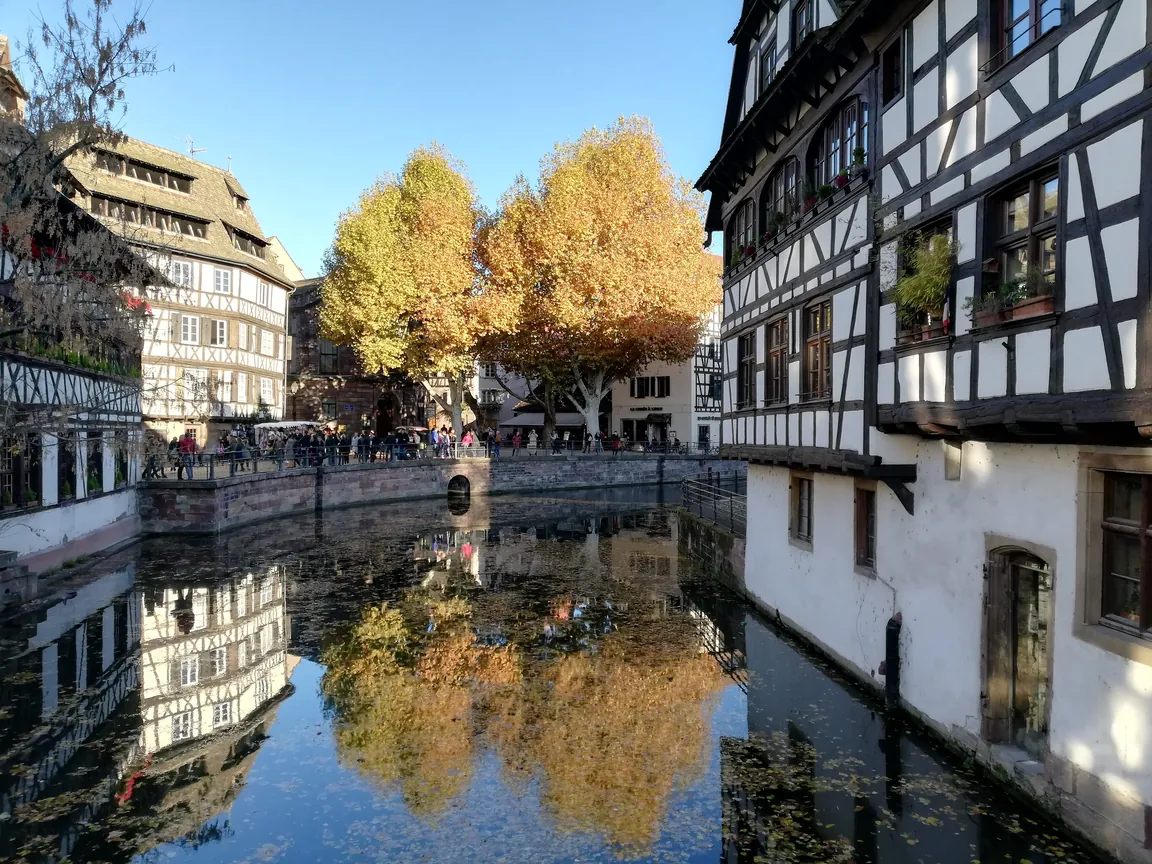
Straßburg: der komplette Führer zum Münster, zu Petite France & zum Christkindelsmärik
Tausend Jahre deutsch-französische Geschichte auf einer Insel, die Sie zu Fuß umrunden. Dazu Preise und Öffnungszeiten 2026, die stimmen.
Hören Sie rein, bevor Sie losgehen
30 Sekunden Probe. Dieselbe Stimme begleitet Sie vom Bahnhof bis zum Münsterportal.
Was ist diese Tour?
Straßburg ist eine Stadt für Fußgänger. Die Altstadt liegt auf einer Insel, kaum einen Kilometer breit, und fast alles Sehenswerte steckt darin. Ideal für eine Tour auf eigene Faust. Am Bahnhof setzen Sie die Kopfhörer auf. Zweieinhalb Stunden später stehen Sie vor dem Münster und wissen, warum die Stadt fünfmal das Land gewechselt hat.
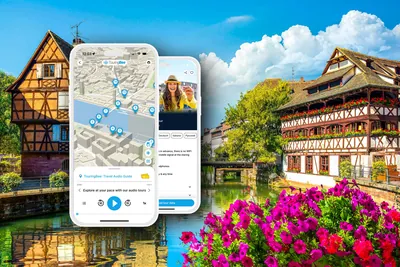
Straßburg: Audiotour auf eigene Faust
- 100 % offline – kein WLAN, kein Datenvolumen nötig
- Die Offline-GPS-Karte zeigt Ihren Standort; jede Aufnahme starten Sie selbst vor Ort
- 8 Sprachen, echte Sprecherstimmen
- Läuft auf iOS & Android
- Start am Bahnhof, Ziel am Münster
Warum nach Straßburg?
Weil hier zwei Länder gleichzeitig zu Hause sind. Französische Straßenschilder über Fachwerk. Ein gotisches Münster, gebaut von Steinmetzen, die Elsässisch sprachen. Eine Markthalle mit Sauerkraut und Foie gras. So sieht eine Grenze aus, um die tausend Jahre lang gestritten wurde.
Fünfmal das Land gewechselt
1262 wurde Straßburg Freie Reichsstadt und blieb es vier Jahrhunderte lang. Deshalb stehen hier ein Münster und eine Universität statt eines Fürstenschlosses. 1681 rückte Ludwig XIV. ein, die Bürger erkannten ihn als König an. 1871 deutsch. 1918 französisch. 1940 deutsch. 1944 französisch, endgültig.
Jede Herrschaft hat etwas hinterlassen. Gehen Sie vom Münster nach Osten, dann brechen die Fachwerkgassen ab. Sie stehen in der Neustadt: wuchtige Sandsteinblöcke, gebaut, um etwas zu beweisen. Heute ist Straßburg eine der drei Hauptstädte der EU. Unwahrscheinlicher hätte es kaum kommen können.
227 Jahre lang das höchste Bauwerk der Welt
Der Nordturm misst 142 Meter. Von 1647 bis 1874 stand nichts von Menschenhand Gebautes höher, nirgendwo auf der Welt. Das Material ist rosa Vogesensandstein. Bei Sonnenuntergang glüht der Bau rosé, im Regen sieht er aus wie ein blauer Fleck.
Der Südturm wurde nie gebaut. Erst ging den Steinmetzen das Geld aus, dann die Überzeugung. Übrig blieb die berühmteste Asymmetrie der Gotik: ein Turm, der greift, ein Stumpf, der wartet.
Wie der Turm entstand und warum der zweite fehlt: zu hören auf dem Platz, wo die Steinmetzen arbeiteten.
Audioguide holenDer Sommer, in dem alle tanzten
Im Juli 1518 trat eine Frau Troffea auf die Straße und begann zu tanzen. Sie hörte nicht mehr auf. Nach einer Woche tanzten vierunddreißig Menschen, nach einem Monat rund vierhundert. Der Rat bekam den Rat, mehr Tanz sei die Kur. Er räumte zwei Zunfthäuser und stellte Musiker ein.
Getanzt wurde bis zum Zusammenbruch. Zeitgenossen berichten von Toten durch Schlaganfall und Erschöpfung. Erklärt hat es bis heute niemand: Mutterkorn, Massenhysterie, ein Stresskult. Der Streit läuft weiter. Passiert ist es hier, in diesen Gassen, und kaum ein Besucher weiß davon.
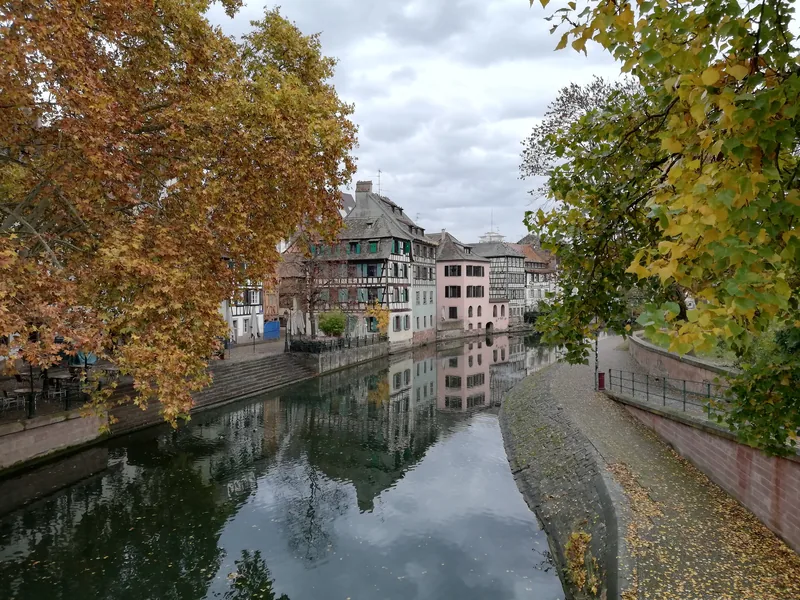
Petite France war nie hübsch
Das Postkartenviertel mit Blumenkästen und schiefen Balken war das Arbeitsviertel: Gerber, Müller, Fischer. Sie brauchten den Fluss, weil ihre Gewerbe stanken. Der Name ist auch nicht romantisch. Er stammt von einem Spital des 16. Jahrhunderts für Soldaten mit Syphilis, der Franzosenkrankheit.
Den Gerberhäusern sieht man es an. Die steilen offenen Böden unter den Dächern waren Trockenböden für Häute. Heute stehen dort Geranien.
Weihnachtshauptstadt seit 1570
Der Christkindelsmärik läuft seit 1570. Er ist der älteste Weihnachtsmarkt Frankreichs und einer der ältesten Europas. Entstanden ist er als protestantische Ablösung des katholischen Nikolausmarkts: ein Markt für das Christkind statt für den Heiligen. Viereinhalb Jahrhunderte später kommen in vier Wochen rund zwei Millionen Menschen, und die ganze Insel wird zum beleuchteten Laden.
Großartig, und komplett überlaufen. Kommen Sie genau dafür, oder kommen Sie im Oktober und haben dieselbe Stadt fast für sich.
Was Sie auf der Tour entdecken
Dreiunddreißig Stationen, eine Runde vom Bahnhof zum Münster. Sechs davon:
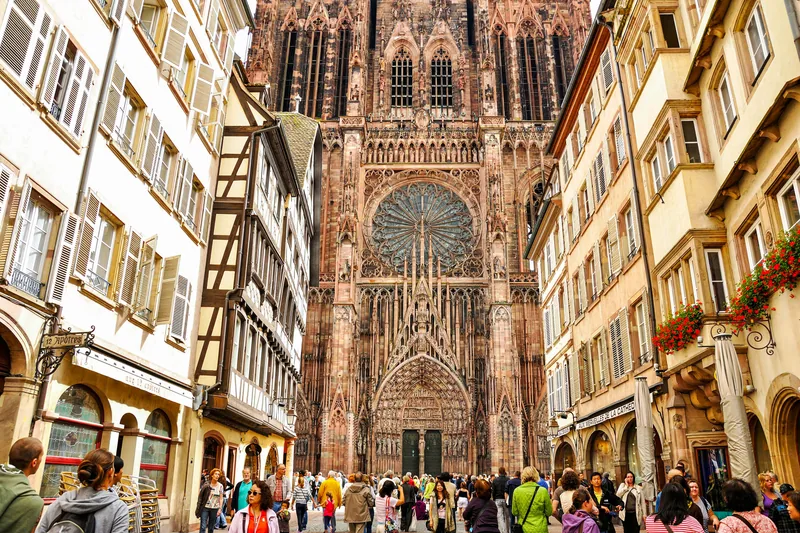
Die Münsterfassade
Hunderte Figuren auf einer Wand aus rosa Sandstein. Dazu ein steinerner Wettstreit zwischen klugen und törichten Jungfrauen, an dem täglich alle vorbeilaufen.
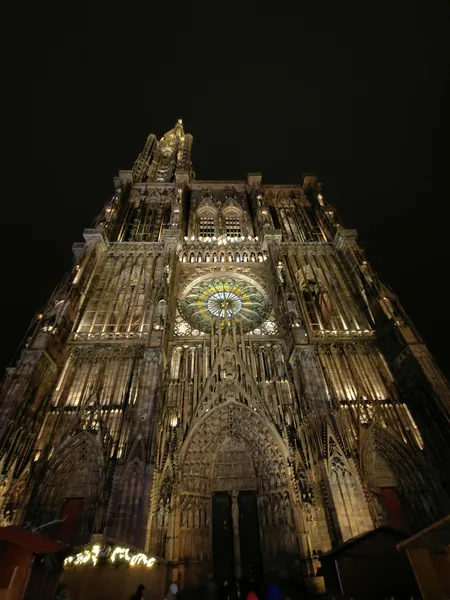
Die astronomische Uhr
Eine Renaissance-Maschine, die um 12:30 ihre Apostel an Christus vorbeiführt. Zusieht ein Hahn, der seit dem 16. Jahrhundert kräht.
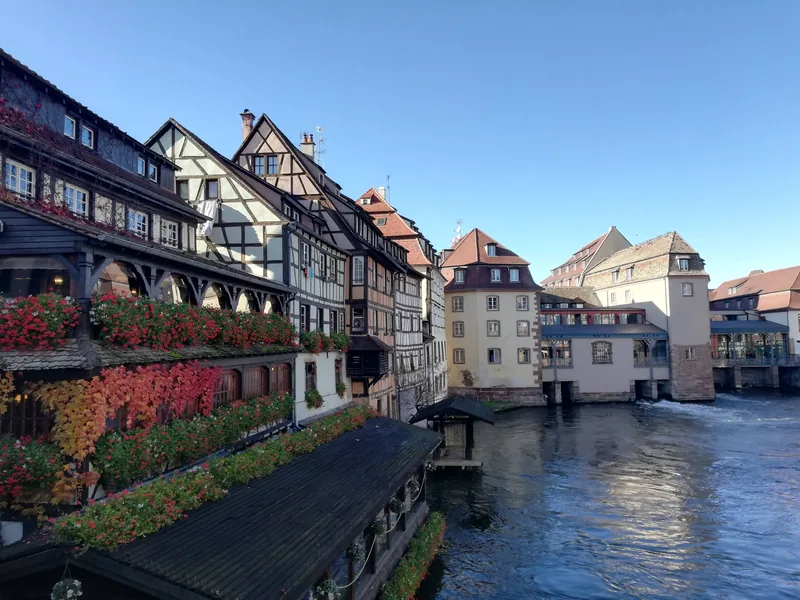
Petite France
Hier teilt sich die Ill in vier Arme, hier trockneten die Gerber ihre Häute. Das hübscheste Elendsviertel Frankreichs.
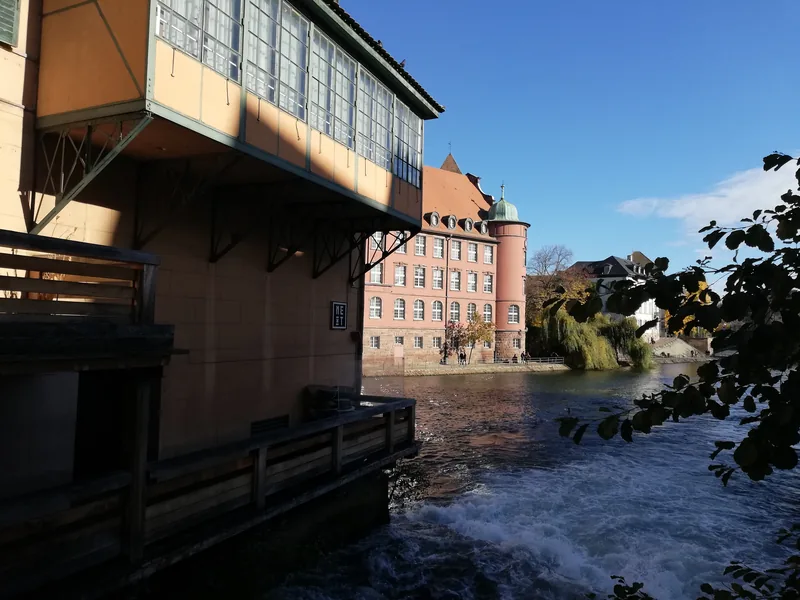
Ponts Couverts & Barrage Vauban
Vaubans Wehr konnte den ganzen Süden der Stadt fluten und ein angreifendes Heer ertränken. Von der Dachterrasse haben Sie den besten kostenlosen Blick über Straßburg.
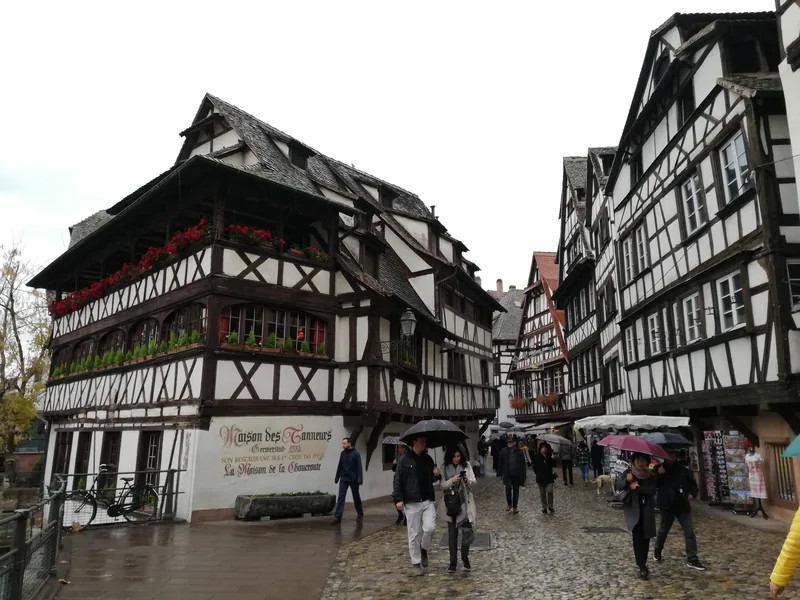
Haus Kammerzell
1427 der Sockel, 1589 der Aufbau: fünfundsiebzig geschnitzte Fenster, bezahlt von einem Käsehändler, der wollte, dass jeder es merkt.
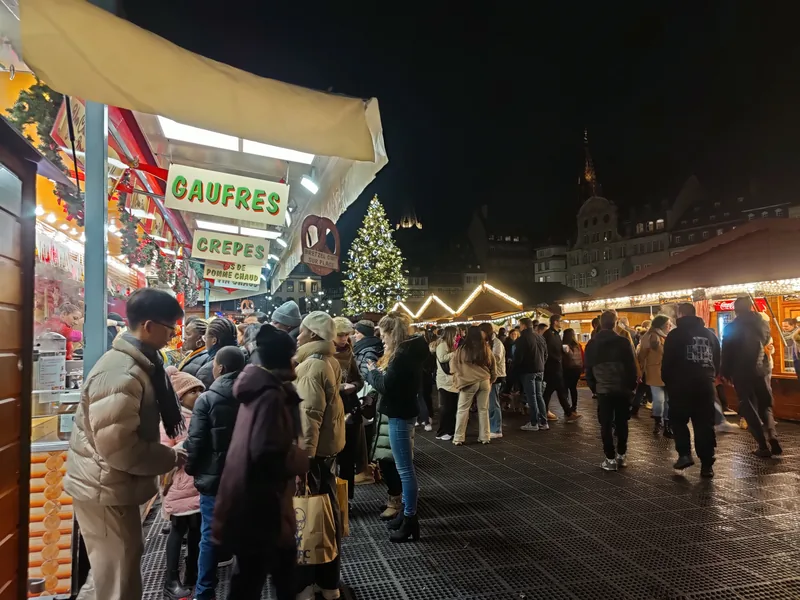
Place Gutenberg
Johannes Gutenberg tüftelte hier zehn Jahre daran, wie man ein Buch vervielfältigt. Dann ging er nach Mainz. Straßburg ärgert sich bis heute darüber.
So funktioniert die Audiotour
Kein Treffpunkt, kein Zeitfenster, keine Gruppe, der Sie hinterherlaufen.
Guide kaufen
Einmal zahlen, sofort freigeschaltet. Kein Abo. Die Aktivierungsmail kommt in wenigen Minuten.
App laden
Die TouringBee-App gibt es gratis für iOS und Android. Laden Sie die Tour im WLAN, bevor Sie losgehen.
Start am Pont Kuss
Fünf Minuten vom Bahnhof. Die Offline-Karte zeigt Ihren Standort; Play drücken Sie an jeder Station selbst.
Pause & weiter
Halten Sie an für einen Kaffee, einen Flammkuchen oder eine Stunde im Münster. Weiter geht es, wann Sie wollen.
Praktisches für den Besuch
Im Juli 2026 geprüft bei der Münsterstiftung, den städtischen Museen und Batorama. Preise und Zeiten ändern sich. Wenn hier etwas veraltet ist, schreiben Sie uns.
- Münsterschiff
- Kostenlos. Mo–Sa 08:30–11:15 und 12:45–17:45, So 14:00–17:15.
- Astronomische Uhr
- Vorführung um 12:30, Einlass ab 11:30 am Portal Saint-Michel. €3 Erwachsene, €2 ermäßigt. Tickets nur am selben Tag.
- Aufstieg zur Plattform
- 330 Stufen auf 66 m. €10 Erwachsene, €6 ermäßigt. Apr–Sep 09:30–20:00, Okt–Mär 10:00–18:00 (13:00–13:30 geschlossen).
- Bootsfahrt auf der Ill
- Batorama Circuit Rouge, 1 h 10, €16,20 Erwachsene. Einstieg an Ponton A beim Münster. B und C sind 2026 außer Betrieb.
- Museen
- €7,50 pro Museum · Tagespass €16 · 3 Tage €20. Jeden ersten Sonntag im Monat frei. Montags geschlossen.
- Europäisches Parlament
- Kostenlos, aber Sie brauchen Personalausweis oder Reisepass im Original. Kopien und Handyfotos werden am Eingang abgewiesen.
- Aus Paris
- 19 Züge täglich ab Gare de l'Est, schnellster 1 h 45, ab etwa €32.
- Adresse
- Place de la Cathédrale, 67000 Strasbourg, Grand Est, Frankreich.
Münstertickets gibt es online nicht, und das ist kein Problem
Jede Seite, die Ihnen Tickets ohne Warteschlange für die astronomische Uhr oder die Turmplattform verspricht, verkauft etwas, das es nicht gibt. Beides gibt es nur vor Ort, am selben Tag, bar oder mit Karte. Das Münsterschiff ist frei. Vorab buchen können Sie Bootsfahrten, Führungen, Tagestouren ins Elsass und nach Colmar. Dafür lohnt sich ein Buchungsportal.
- Uhr: ab 11:30 am Eingang Saint-Michel anstellen, €3 – im Sommer bis 11:45 dort sein
- Plattform: kein Ticketsystem, nur Stufen. Am besten früh morgens oder am späten Nachmittag
- Die Strasbourg City Card für €5 spart €4 am Turm und €4 in jedem Museum
Gebucht über unseren Partner GetYourGuide. Sie zahlen denselben Preis, wir bekommen eventuell eine kleine Provision.
Tickets & Führungen buchen
Lieber ein Boot, ein Guide vor Ort oder ein Tag in den Weinbergen? Diese Partner nutzen wir selbst.
Bootsfahrten & Stadttouren
Batorama-Fahrten, Rundgänge, Food-Touren und die Neustadt. Die größte Auswahl für Straßburg.
Auf GetYourGuide buchen →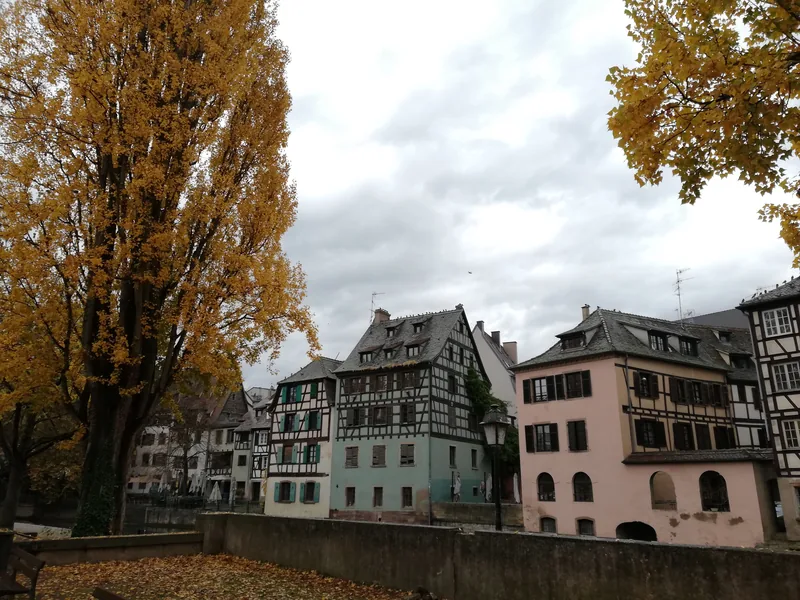
Colmar & die Weinstraße
Ganztagestouren durchs Elsass: Colmar, Riquewihr, Eguisheim und die Winzerdörfer. Abfahrt im Straßburger Zentrum.
Auf GetYourGuide buchen →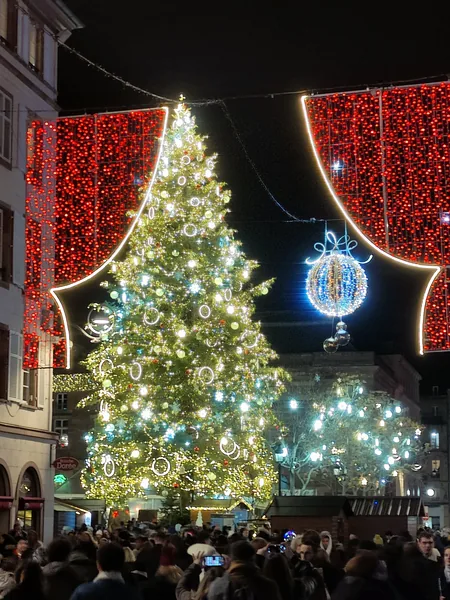
Wo übernachten
Wer auf der Grande Île wohnt, geht überall zu Fuß hin. Für Dezember Monate im Voraus buchen, dann ist die Stadt ausgebucht.
Hotels suchen →Einige Links oben sind Affiliate-Links (GetYourGuide, Booking.com, Tiqets, SNCF). Buchen Sie darüber, bekommen wir eventuell eine kleine Provision, für Sie ohne Aufpreis. Auf unsere Empfehlungen hat das keinen Einfluss.
Was Reisende sagen
Geprüfte Bewertungen dieser Straßburg-Tour von Reisenden auf Viator und GetYourGuide.
Der beste Begleiter für alle, die Straßburg allein und im eigenen Tempo erleben
„Ich bin sehr froh, dass ich diesen Audioguide gekauft habe. Ich bin 64 und allein unterwegs. Ich bin einen ganzen Tag durch Straßburg gelaufen und habe im Hotelzimmer Pausen gemacht, wann ich wollte. Flexibel und trotzdem vollständig. Die Länge der Aufnahmen an den 33 Stationen war genau richtig (2–3 Minuten).“
Schöner Bummel durch eine tolle Stadt, top Preis-Leistung
„Was für eine gute Art, Straßburg zu erleben! App, Download und Karten liefen reibungslos, und der Bummel durch die Stadt hat Spaß gemacht. Der Ton war klar, gut zu folgen und voller interessanter Informationen. Ich bin wirklich froh darüber: $9 bestens angelegt!“
Einen Stadtführer brauchen Sie nicht
„Eine wunderbare Art, die ganze Stadt auf eigene Faust zu sehen. Alle wichtigen Orte waren dabei. Das Münster war atemberaubend. Ein Hinweis: Wenn Sie eine Bootsfahrt machen wollen, holen Sie die Tickets früh am Tag. Sie gelten für feste Zeiten.“
Eine gute Art, Straßburg zu sehen
„Einfach zu bedienen und informativ. Gut fand ich, dass jede Station nur 1–2 Minuten dauert. Wir wollten eigentlich nur durch die Stadt bummeln, weil die Zeit für eine gebuchte Führung fehlte. Als Wegweiser war das hier ideal.“
Entspannt durch Straßburg
„Ausgezeichneter Audioguide, sehr verständlich. Alle Stationen sind nach der Aktivierung sofort verfügbar und ein Jahr lang abrufbar. Gute Wegführung.“
Flexibler, und ohne Gruppe
„Anfangs war ich skeptisch, das war schnell vergessen. Die App ist einfach zu starten und führt Schritt für Schritt. An jeder Station Erklärungen, bei Bedarf vor- und zurückspringen.“
Es war sehr schön
„Es war sehr schön, diese Tour mit dem Audioguide. Danke, TouringBee, für dieses Erlebnis. Straßburg ist eine großartige Stadt, die Architektur versetzt einen ins Mittelalter. Ich habe die Details an jedem Haus und die schönen Gassen geliebt.“
Weitere Audiotouren von TouringBee
Gleiche App, gleiche Offline-Karten. Einmal kaufen, ein Jahr nutzen.
Colmar liegt 30 Bahnminuten entfernt, Luxemburg und Köln erreichen Sie bequem mit dem Zug, Paris ist 1 h 45 in die andere Richtung. Alle TouringBee-Touren ansehen →
Häufige Fragen
Was Reisende vor der Anreise wirklich fragen.
Ist der Eintritt ins Straßburger Münster frei?
Das Münsterschiff ist frei: hineingehen, hochschauen, weiterziehen. Sie zahlen nur für zwei Extras: die Vorführung der astronomischen Uhr um 12:30 (€3) und den Aufstieg zur Plattform (€10, 330 Stufen). Beides gibt es nur vor Ort am selben Tag. Keine Online-Buchung, kein Ticket ohne Warteschlange, egal was andere Seiten behaupten.
Wie viele Tage braucht man für Straßburg?
Ein voller Tag reicht für die Insel: Münster, Petite France, Ponts Couverts, Place Kléber. Zwei Tage lassen Raum für die Neustadt, ein Museum und eine Bootsfahrt, ohne Hetze. Bei drei Tagen fahren Sie mit dem Zug nach Colmar oder verbringen einen Nachmittag auf der Weinstraße.
Wann ist der Straßburger Weihnachtsmarkt 2026?
Die Stadt hat die Termine für 2026 noch nicht veröffentlicht. Ende Juli 2026 zeigt die offizielle Seite weiter die Ausgabe 2025. Er läuft immer von der letzten Novemberwoche bis zum 24. Dezember. Sobald die Daten feststehen, aktualisieren wir diese Seite.
Funktioniert die Audiotour offline?
Ja. Einmal im WLAN herunterladen, dann läuft alles ganz ohne Empfang: Ton, Karte, Bilder. Praktisch in Straßburg, wo die Gassen eng sind und der Empfang schwankt.
Startet die App den Ton an jeder Station automatisch?
Nein, mit Absicht. Die Offline-GPS-Karte zeigt Ihren Standort, aber Play drücken Sie selbst, sobald Sie an der Station stehen. Zwischen hohen Steinhäusern schwankt die GPS-Genauigkeit von Handys zu stark für eine zuverlässige automatische Auslösung.
In welchen Sprachen gibt es den Audioguide?
In acht: Englisch, Französisch, Deutsch, Spanisch, Italienisch, Portugiesisch, Polnisch und Russisch. Sie wählen beim Kauf eine aus.
Wie komme ich von Paris nach Straßburg?
Mit dem TGV ab Gare de l'Est: 19 Abfahrten täglich, schnellste Verbindung 1 h 45, Preise ab rund €32 bei früher Buchung. Vom Straßburger Bahnhof sind es zehn Minuten zu Fuß nach Petite France, genau dort startet unsere Tour. Zeiten und Preise bei der SNCF prüfen.
Ist Straßburg französisch oder deutsch?
Französisch, durchgehend seit 1944. Deutsch war es von 1871 bis 1918 und von 1940 bis 1944, davor sechs Jahrhunderte lang Teil des Heiligen Römischen Reiches. Elsässisch ist ein alemannischer Dialekt. Architektur, Küche und Nachnamen liegen irgendwo dazwischen.
Kann man das Europäische Parlament besichtigen?
Ja, kostenlos. Außerhalb der Plenarwochen brauchen Einzelbesucher keine Anmeldung. Bringen Sie Personalausweis oder Reisepass im Original mit. Kopien, Führerscheine und Handyfotos werden an der Sicherheitskontrolle abgelehnt.
Hat das Elsässische Museum geöffnet?
Nein. Das Musée Alsacien ist wegen Umbau bis zum 1. Juni 2028 geschlossen. Das Historische Museum nebenan und die drei Museen im Palais Rohan sind geöffnet, montags geschlossen.
Über den Autor

Diesen Führer schreibt Eugene. Er lebt seit 16 Jahren in Frankreich und arbeitete als Stadtführer, bevor er das Reiseportal-Netzwerk paris10.travel gründete. Er kennt über 300 französische Städte und Dörfer und hat die TouringBee-Audiotour für Straßburg selbst geschrieben.
Jeder Preis, jede Öffnungszeit und jedes Datum auf dieser Seite ist an der offiziellen Quelle für das laufende Jahr geprüft, nicht von anderen Reiseseiten abgeschrieben. Wo etwas noch nicht feststeht, etwa die Termine des Weihnachtsmarkts 2026, schreiben wir das hin, statt zu raten.
Das Ziel ist einfach: Sie sollen sicherer, neugieriger und besser vorbereitet weitergehen als vor fünf Minuten.
Durch Straßburg, mit jeder Geschichte im Ohr
Dreiunddreißig Stationen vom Bahnhof bis zum Münsterportal: die Legenden, die Tanzwut und der Turm, der 227 Jahre lang alles überragte.